
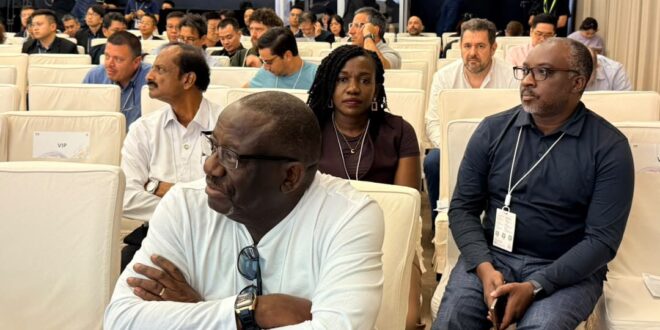
Uganda has been encouraged to put greater emphasis on building the foundations needed to support artificial intelligence (AI) before moving aggressively into advanced technologies. The call places infrastructure, computing capacity, reliable energy, data governance and human skills at the centre of Uganda’s ambitions to become part of the global AI economy.The message emerged from reflections following Huawei Connect 2026 in Shanghai, where technology experts and industry leaders spent two days discussing the changing global AI landscape.
The discussions examined how countries can strengthen their technological independence while still working with international partners and participating in the wider global technology ecosystem.One of the key issues highlighted was the idea of AI sovereignty, which was described not as cutting ties with other countries, but as having sufficient capacity and alternatives to make informed technological choices. According to Frost & Sullivan’s Jackie Yang, strong AI ecosystems need to be developed in layers, beginning with energy, computing power and data before progressing to AI models, applications, institutions, strategies and partnerships.
The discussions suggest that countries that focus only on advanced AI applications without developing the systems underneath them could remain dependent on technologies developed elsewhere. Reliable infrastructure, quality data and adequate computing resources are therefore important if Uganda is to develop AI solutions that can respond to local needs and support sustainable technological growth.The experience of developed countries also demonstrates that AI development is not simply a matter of having advanced technology. Professor Herzog, while discussing Germany’s AI strategy, pointed to challenges such as shortages of skilled workers and limited AI training within businesses.
The observation that 43 percent of German companies still do not provide AI training to their employees highlights the scale of the skills challenge facing countries seeking to expand AI adoption.For Africa, the rapid development of AI could provide an opportunity to build capacity from the ground up while global standards and technologies are still evolving. Instead of viewing the continent as permanently behind in technology, the discussions point to the need for strategic investment in skills, infrastructure, research, data systems and institutions that can allow African countries to participate more actively in the emerging AI economy.The conversations also placed emphasis on equity, suggesting that the ultimate goal should be more than simply achieving AI sovereignty.
Building local capacity would give countries greater ability to participate in international conversations on technology, contribute to the development of global AI rules and ensure that African perspectives are considered when decisions affecting the future of the technology are made.For Uganda, the message from Huawei Connect 2026 is that the country’s AI ambitions will depend heavily on what is built beneath the technology itself. Strengthening energy systems, computing infrastructure, data governance, local expertise and policy frameworks could give Uganda a stronger foundation from which to adopt advanced AI while developing the capacity to make its own technological choices.


