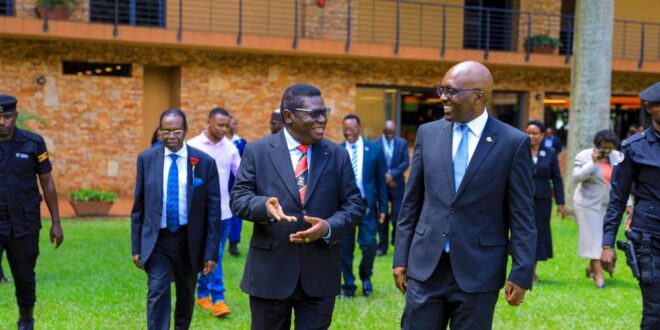
Uganda is stepping up efforts to protect intellectual property and improve earnings for artists, writers, filmmakers and other creative professionals as the Uganda Registration Services Bureau (URSB) leads a major regional push to strengthen copyright management. The three-day Symposium on Copyright and Related Rights Management opened in Kampala on October 19, 2026, at Speke Resort Munyonyo, bringing together key players in the creative industry to explore ways of turning talent and innovation into sustainable sources of income.
The symposium, running until October 21, is being organised by URSB in partnership with the African Regional Intellectual Property Organization (ARIPO) and the World Intellectual Property Organization (WIPO). Held under the theme “Empowering Creativity: Harnessing IP for Sustainable Development in Africa,” the gathering seeks to strengthen copyright systems, improve the management of royalties and create better opportunities for creators to earn from their work.Minister of Justice and Constitutional Affairs Norbert Mao underscored the importance of having effective legal and institutional frameworks that protect intellectual property and enable creative professionals to benefit financially from their talents.
He noted that copyright protection should go beyond legal recognition to ensure that artists, writers, filmmakers and innovators can safeguard their work, earn from their creativity and contribute to Uganda’s economic development.ARIPO Director General Bemanya Twebaze called for stronger cooperation among African intellectual property offices and other industry stakeholders to improve the protection and commercialisation of creative works. He explained that regional collaboration could help establish more effective copyright management systems, strengthen enforcement and expand opportunities for creators to benefit from their intellectual property across African markets.
URSB Board Chairman Ambassador Francis K. Butagira highlighted the role of intellectual property in driving economic transformation, noting that protecting and commercialising creative works can stimulate business growth, attract investment and create employment. He emphasised that Africa’s cultural richness and creative talent could become significant contributors to sustainable development if supported by systems that recognise ownership and reward innovation.URSB Registrar General Mustapher Ntale reaffirmed the bureau’s commitment to helping Ugandans understand their intellectual property rights and realise the economic value of their creations.
He stressed that creators need reliable systems that protect ownership, promote fair remuneration and support sustainable livelihoods, adding that public awareness, effective administration and cooperation among stakeholders are essential to unlocking the country’s creative potential.Participants at the symposium are also examining challenges affecting the creative industry, including piracy, licensing and the exploitation of digital content. Discussions are expected to explore practical solutions for ensuring that creators receive appropriate compensation when their work is used, distributed or commercialised, particularly in an increasingly digital environment where creative products can reach audiences across borders.Another key area of discussion is the Kampala Protocol on Voluntary Registration of Copyright and Related Rights, adopted in August 2021 under the ARIPO framework.

The engagement provides an opportunity for intellectual property experts, policymakers, rights holders and other stakeholders to assess approaches to copyright administration and explore ways of strengthening systems that support the protection and commercial use of creative works throughout the region.Through the symposium, URSB is reinforcing its efforts to build an environment where creativity is recognised not only as a cultural asset but also as an economic resource.
Stronger copyright protection and fairer remuneration systems could help Ugandan creators earn more from their talents, encourage entrepreneurship and generate employment, while positioning the country’s creative industry as a meaningful contributor to national and regional development.