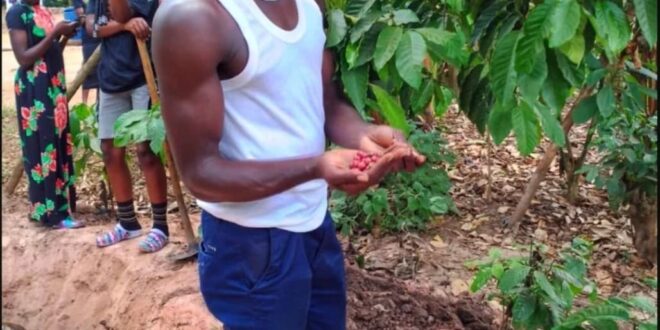
Aswa Stephen Thomas is a man whose journey shows how humble beginnings can lead to a life dedicated to serving others. Before becoming a social worker, humanitarian worker and refugee advocate, he was simply a farmer. He spent his early years keeping goats, raising poultry and growing crops such as maize, cassava and potatoes. Today, he believes that the lessons he learned in the garden prepared him for the challenges of humanitarian work and community service.
For Aswa, farming was more than a way of earning a living. It taught him patience, discipline, hard work and the importance of taking care of others. He understood what it meant to wake up early to feed animals, wait for rain and work tirelessly to ensure that families had food on their tables. These experiences helped him understand the struggles of ordinary people, especially those living in vulnerable communities.
Although many people consider farming and social work to be two different professions, Aswa sees a strong connection between them. He explains that farming taught him to work with the resources available instead of complaining about what is missing. In the same way, social workers must understand the needs of communities, listen to their concerns and build on the strengths they already have.
He also learned that meaningful change requires patience. Just as crops take time to grow, changing people’s behaviour, supporting trauma recovery and helping families rebuild their lives after displacement cannot happen overnight. He believes that humanitarian work requires commitment, consistency and a genuine understanding of people’s experiences.
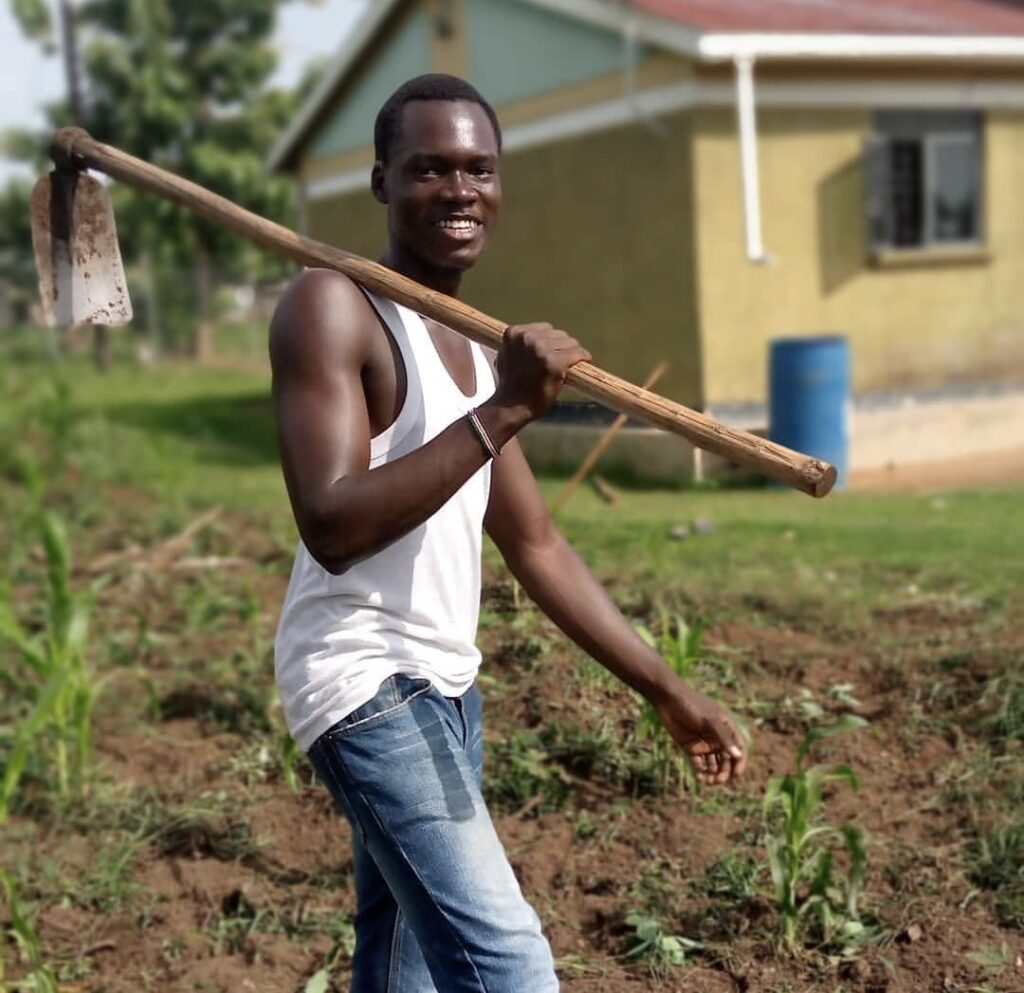
Another important lesson from farming is that everything has value. Aswa says that just as nothing goes to waste on a farm, every person in a community has something meaningful to contribute. Local leaders, community committees and volunteers all play important roles in building stronger and more resilient communities.

Driven by these values, Aswa decided to pursue a Bachelor’s Degree in Social Work and Social Administration. His education gave him a deeper understanding of human needs and social challenges, while his farming background continued to shape his approach to helping people.
His humanitarian journey later took him to the Abyei Administrative Area, where he gained practical experience working with vulnerable communities in South Sudan. Between 2025 and 2026, he served with Trust Guarantee Community Development Aid (TGCDA) under the South Sudan Humanitarian Fund Emergency Project.
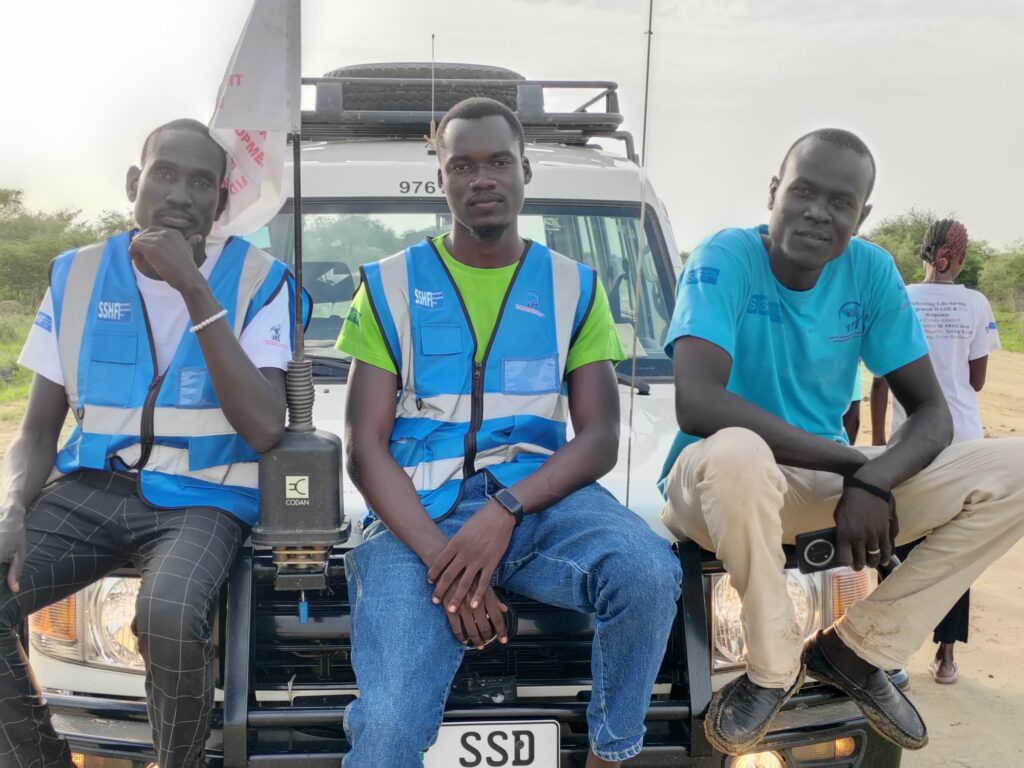
From August 2025 to February 2026, Aswa worked as a Project Volunteer in Water, Sanitation and Hygiene (WASH). His responsibilities included working directly with communities to ensure that prioritised construction activities were implemented according to required WASH standards.
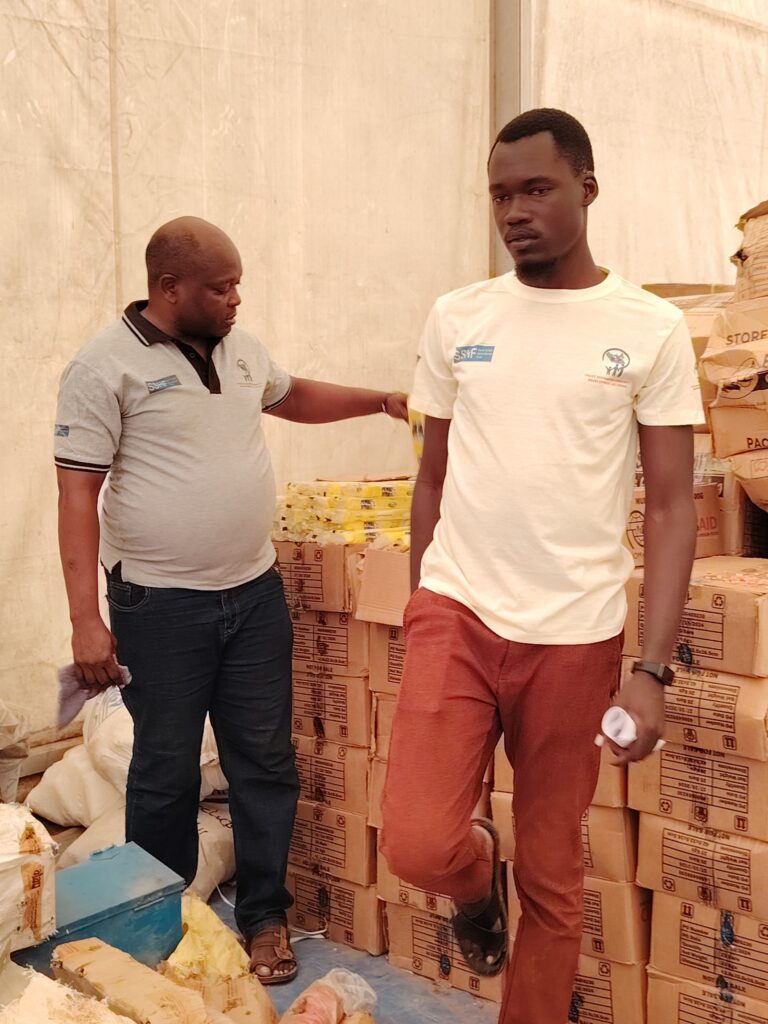
His work went beyond supervising construction activities. He also focused on transparency, accountability and ensuring that beneficiaries participated in different stages of project implementation. He took part in hygiene promotion and community sensitisation, monitored behavioural changes, prepared weekly reports and helped track project materials and tools.
Through this experience, he came to understand that humanitarian assistance is not simply about providing services or distributing resources. It is also about protecting people’s dignity and ensuring that communities are actively involved in decisions that affect their lives.
Between March and June 2026, he continued serving in Abyei as a Life-saving Non-Food Items (NFI) and Shelter Assistant. This role placed him closer to emergency humanitarian operations, where proper coordination, accountability and timely communication were extremely important.
His responsibilities included coordinating with WASH committees, monitoring project objectives and indicators, maintaining project records and tracking stock levels from OCHA stores. He also supported budget and expenditure monitoring and helped prepare regular project updates, situation reports, factsheets and management briefings.
Aswa says working in emergency humanitarian operations taught him the importance of accuracy, responsibility and time management. In situations where communities urgently need shelter and essential supplies, missing materials, poor coordination or delayed information can affect people’s lives. He therefore believes that every humanitarian worker must take their responsibilities seriously.
Beyond his professional responsibilities, Aswa is passionate about refugee advocacy and the welfare of displaced South Sudanese communities. He believes that supporting refugees should not be viewed as an act of charity alone, but as a matter of justice and human dignity.
He wants displaced people and refugees across Africa to have opportunities to rebuild their lives, return home when conditions allow, engage in productive activities such as farming and live without fear. He believes that every person deserves an opportunity to live with dignity, regardless of their circumstances.
His commitment to humanitarian work also extends beyond paid employment. Aswa continues to volunteer because he believes that serving communities should not always depend on receiving a salary or financial allowance. For him, volunteering is one of the ways Africans can demonstrate patriotism and take responsibility for the well-being of their societies.
As an African patriot, he believes the continent needs strong systems, practical solutions and young people who are ready to take action rather than wait for others to solve its problems. He encourages young Africans to use their skills and knowledge in different areas, including agriculture, humanitarian assistance, community development and public service.
He argues that Africa’s transformation will require people who are willing to work directly with communities, understand their challenges and contribute to lasting solutions. Whether working in a refugee settlement, supporting a farming community or preparing reports that help secure funding for humanitarian programmes, he believes every contribution matters.
Looking back at his journey, Aswa describes himself as a simple farmer whose experiences opened the door to a much bigger purpose. He became a social worker to better understand people, a humanitarian worker to support vulnerable communities, a refugee advocate to defend the rights of displaced people and a volunteer to remain connected to those who need help.
His story is a reminder that meaningful leadership and service do not always begin in big offices or powerful positions. Sometimes, they begin in a garden, through hard work, patience and an understanding of the struggles ordinary people face.
For Aswa Stephen Thomas, the journey from farming to humanitarian work has never been about abandoning his roots. Instead, it has been about using the lessons from the soil to make a difference in people’s lives.
As he proudly puts it, the soil taught him how to serve.
About the Author
Aswa Stephen Thomas is a social worker, humanitarian worker and refugee advocate based in Juba, South Sudan, with field experience in the Abyei Administrative Area. He holds a Bachelor’s Degree in Social Work and Social Administration and has a strong interest in youth empowerment, Water, Sanitation and Hygiene (WASH), emergency shelter and Non-Food Items (NFI), and African-led development solutions.