
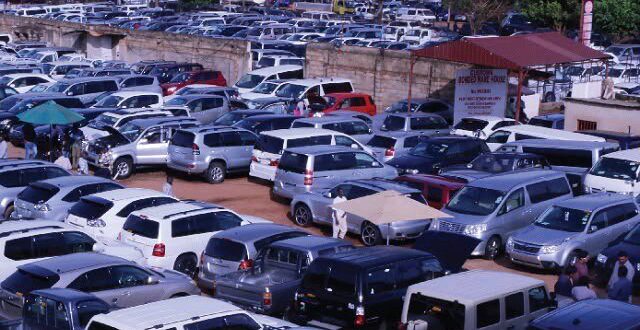
Uganda’s second-hand vehicle market could soon experience major changes after the European Parliament approved new rules aimed at stopping the export of unsafe and heavily polluting used cars from European countries. The decision is expected to affect thousands of Ugandan motorists who depend on imported vehicles for personal and commercial transport.
The new legislation will prevent European Union countries from exporting vehicles that fail safety inspections, are badly damaged or no longer meet required environmental standards.
Under the rules, every used vehicle sent abroad must have proof that it is roadworthy and fit for use.For Uganda, the move could improve the quality of imported cars on the roads, reducing the number of vehicles with serious mechanical faults. However, vehicle dealers and industry experts warn that the supply of cheaper used cars may reduce, leading to higher prices for buyers.Uganda remains one of the countries heavily dependent on imported used vehicles, with thousands entering the market annually. Most of these cars arrive through the Port of Mombasa in Kenya, with Japan being the biggest source, alongside countries such as the United Kingdom and Singapore.
Many imported vehicles in Uganda are older models that have been replaced in their countries of origin due to stricter safety and environmental rules. The new European regulations could make it harder for low-quality vehicles to find their way into African markets.Beyond prices, the reforms are expected to have an impact on road safety and public health. Poorly maintained vehicles with faulty brakes, damaged safety systems and high emissions have been linked to accidents and worsening air pollution in many developing countries.
The United Nations Environment Programme has welcomed the move, saying vehicles that are no longer safe for European roads should not simply be transferred to countries with weaker regulations. The agency has also encouraged other major vehicle exporters to introduce similar controls.As Uganda and other East African countries continue tightening vehicle standards, motorists may have to adjust to a new reality where imported cars become more expensive but potentially safer and cleaner. The changes could mark a turning point in Africa’s used vehicle trade.


