
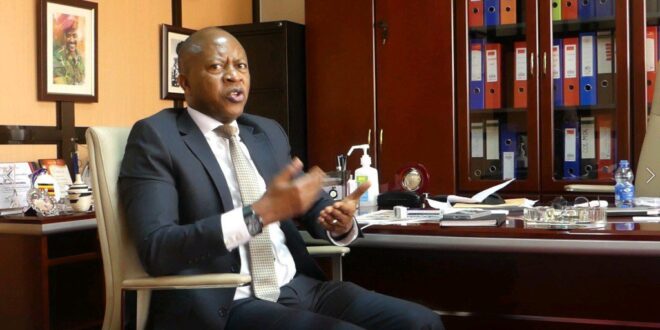
Members of the Abavandimwe community have expressed appreciation to President Yoweri Museveni after he intervened in their prolonged concerns over difficulties faced by some members while seeking Ugandan passports. The group says the President’s action has helped open a path towards resolving what they describe as unfair treatment in the processing of citizenship documents.Frank Gashumba, a member of the Abavandimwe community, said their leaders took their concerns directly to President Museveni during a meeting held at State House, Entebbe.
He said the engagement provided an opportunity for the group to explain the challenges some members had encountered while trying to access official identification and travel documents.Gashumba explained that the community informed the President about cases where individuals with Ugandan national identity cards still faced challenges during passport applications. He said Museveni listened to their concerns and directed government officials to investigate the citizenship status of the affected applicants.Following the presidential directive, Gashumba said security and intelligence officers at local government level were involved in verifying the claims of the applicants. He added that copies of national identity cards and other relevant documents were reviewed as part of the process to establish eligibility for Ugandan passports.According to Gashumba, the verification exercise showed that the affected members met the requirements for obtaining Ugandan passports. He said the outcome has brought relief to the community and raised confidence that members will be able to access citizenship services without facing unnecessary barriers.The Abavandimwe issue has attracted public debate, particularly around the citizenship of people with Rwandan ancestry whose families have lived in Uganda for many years. Gashumba argued that individuals who have historical roots within Uganda should not be treated as foreigners simply because of their background.
He said some members of the community had struggled to prove their citizenship because of challenges involving government records and documentation. Gashumba noted that some applicants were previously required to provide additional evidence such as birth certificates and land documents, which were not always easy to obtain for families with generations of residence in Uganda.Gashumba said the President’s intervention helped shift the matter from a possible legal battle to an administrative verification process. He also appealed for improved services within immigration offices and tougher action against officials who demand bribes from citizens seeking government documents.


