
The “John the Baptist” (fore runner) of the British Empire protectorate over what subsequently became Uganda was the Imperial British East Africa Company. This British Commercial Arm sphere of influence encompassed Kenya too. However, from 18 June 1894 Uganda formally became a British Protectorate until independence on 9 October 1962.
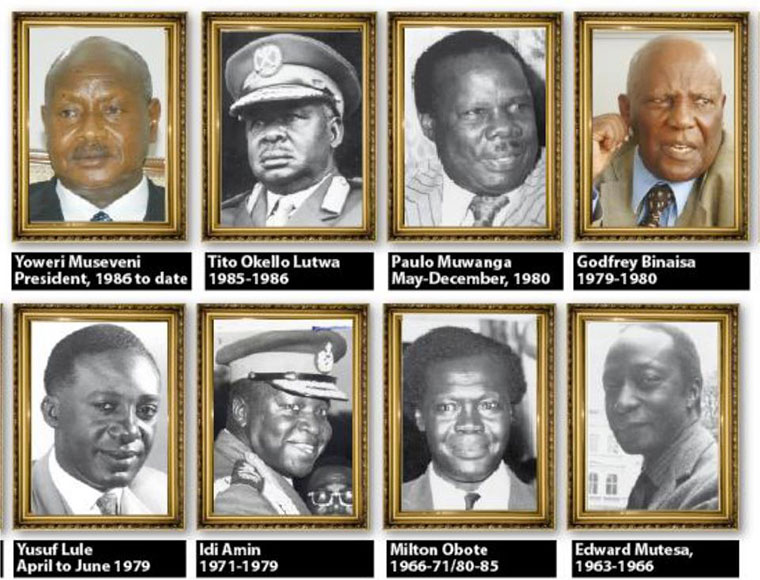
Its worth noting that Uganda’s first independence President and Head of State on 9 October 1962 was Sir Edward Muteesa with his Prime minister Dr Apollo Milton Obote. Now Uganda @64th independence year President is His Excellency President Gen Yoweri Kaguta Museveni.
Its also momentous because @64th independence Gen Museveni won a 7th Term as President and @64th independence CDF and Senior Presidential Advisor Gen Muhoozi Kainerugaba also Chairman Patriotic League of Uganda (PLU) (a sister Pressure group of NRM), political leaders PLU have announced PLU Chairman’s candidature as Presidential candidate 2031subject to the Constitution.
During the 2nd World War Ugandans fought for the British Empire.
Uganda’s contribution was over 70,000 Ugandans recruited under the Compulsory Service Ordinance for World War II by 1944; 1,296 lost lives on active service; fought for British Empire. Most of these Ugandans were attached and deployed into the war from the British 7th Battalion. Hence, after the war the returnee solldiers including cooks were coloquially called BASEVENI and not only feared in the country side but respected and referred to as “Oyo Museveni” meaning “Bazilwanako & that one is from 7th Battalion” suffice to also mention that Idi Amin served under the British Kings Rifles.
In Uganda’s post independence times, the equivalent category of 7th Battalion of soldiers who in recent times returned home to modern Uganda communities and similarly reveered was when the current NRA returned from the Jungles of Luweero as liberators the “Kadogos” “abanunuzi” “abalwanyi” because of their then exceptional military discpline (which brought twebaka kutulo) compared to the rag-tag armed groups and the routing out the murderous UNLA.
This is when Ugandans saw their own children as home grown liberators as opposed to the predominantly Tanzanian People’s Defense Force (TPDF) & Fronasa Patrioits & liberators of Gen Yoweri Museveni 1979 in ousting Idi Amin.
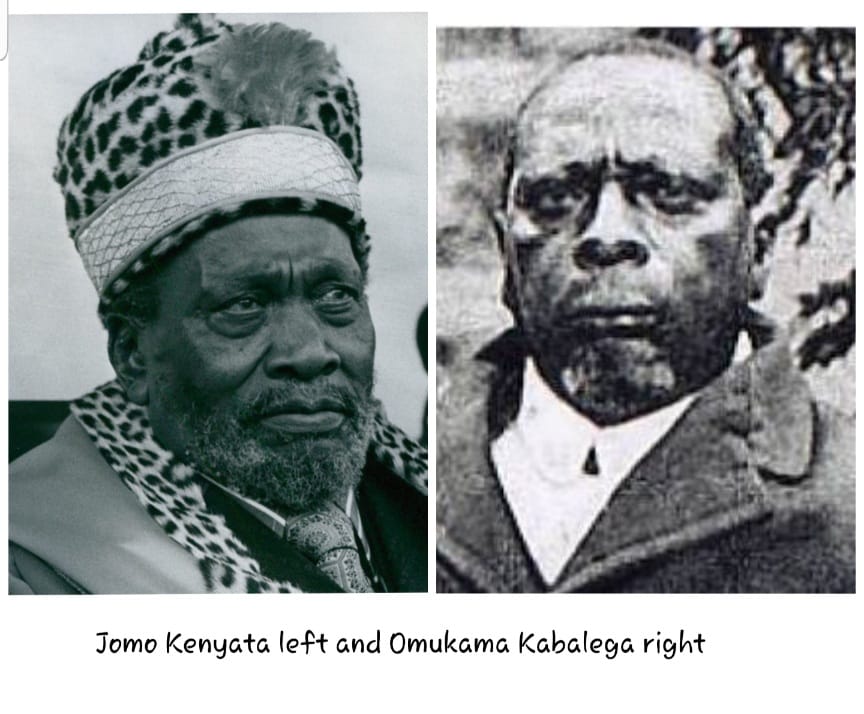
In terms of administration the British protectorate (1894–1962) utilized a divide-and-rule policy, collaborating with Buganda chiefs to subdue other regions for annexation, entrenching religious, ethnic, racial and indeed economic divide. This was a period of collaboration and resistance. The Baganda collaborated while the Banyoro through King Kabalega resisted and the consequences are not a secret.
But as we approach Uganda’s 64th independence annivassary the question is why Britain gave up colonialism in Uganda on October 9, 1962?
This was because of growing local nationalism prominently led by Ignatius Musazi amongst others, financial strain, and a global post-World War II shift against empires.
Rise of Nationalism:
Returning Ugandan ex-servicemen from World War II and local political groups demanded self-governance and political representation.
Post-War Pressures:
World War II left Britain economically weakened and unable to maintain costly overseas empires.
Global Decolonization:
International pressure from the United Nations and superpowers like the US and USSR pushed European powers to end colonial rule.
Political Complexity:
Internal divisions—including Buganda separatism and religious tensions—made direct administration increasingly difficult, prompting Britain to transition power through elections and a coalition government with Sir Edward Muteesa as the 1st President and Head of State and Dr Apollo Milton Obote as the Prime Minister.
It has to be said that from mid-1950s, it was clear that the British were ready to grant Uganda independence. However, unlike other countries, Uganda was not ready for self-governance and thus had to be marched there.
Colonial Era:
Uganda became a British protectorate in 1894; administrative policies favored Protestants and the Buganda kingdom, causing deep religious, ethnic, economic tensions.
During the colonial period the UK added further territories until the geographical region now known as Uganda was established in 1914.
In 1921 Uganda was then granted a legislative council which agitated for independence but Britain refused Uganda’s request for independence.
Also worth noting in the social-economic journey to independence is that the 1920’s however, the Asian population of Uganda was granted greater economic opportunities, which caused great dissatisfaction among the Baganda. This planted the seeds of mistrust and division which Idi Amin exploited in 1972 with the Asían expulsion and exodus dubbed as ECONOMIC WAR. This Amin economic war gimmick was welcomed by Ugandans but as to the merits and demerits of this economic war it is left to the political economy historians to tell Ugandans and the world. What’s however poignant to note is that Nationalisation was the buzz Word of economic nationalism of the East African region following independence and indeed the Socialist Nile valley to Egypt.
Tanzanian under Mwalimu Nyerere nationalised and in Tanzania most Commercial properties were marked by “MUSAJIRI WA MA NYUMBA” (meaning under nationalised Registrar of houses). The fight back was along ideological lines by dubbing the national economic fairness war as Socialism led by (Tanzanian, Uganda under Obote and the entire socialist Nile Valley to Egypt) versus capitalism (Kenya).
Loath it or Love it, today Uganda’s independence journey aged 64 years can be politically divided into three parts namely;
- President Edward Muteesa and Prime minister Apollo Milton Obote at independence.
- President Idi Amin Dada 1971 coup and 1972 Economic War and empowerment of Ugandas.
- 1986 True modern Uganda under True father of the nation His Excellency Gen Yoweri Kaguta Museveni and economic emancipation todate.
Indeed, TRANSFORMATION means a complete or major change in the appearance, form, nature, or character of someone or something. But in order to achieve these conditions the prerequisite is stability and conducive security environment.
The NRM under President Museveni has achieved the security and stability and is on a high speed transformation lane of Uganda. The question in the minds of Ugandans is one of sustainabilty. One cannot talk of sustainabilty and duck the question of transition or continuity because what the NRM under President Museveni has achieved is enormous and incomparable but earned by embers of sacrifice and liberation.Therefore, these tangible achievments must and ought to be jealously guarded and not squandered by whim.
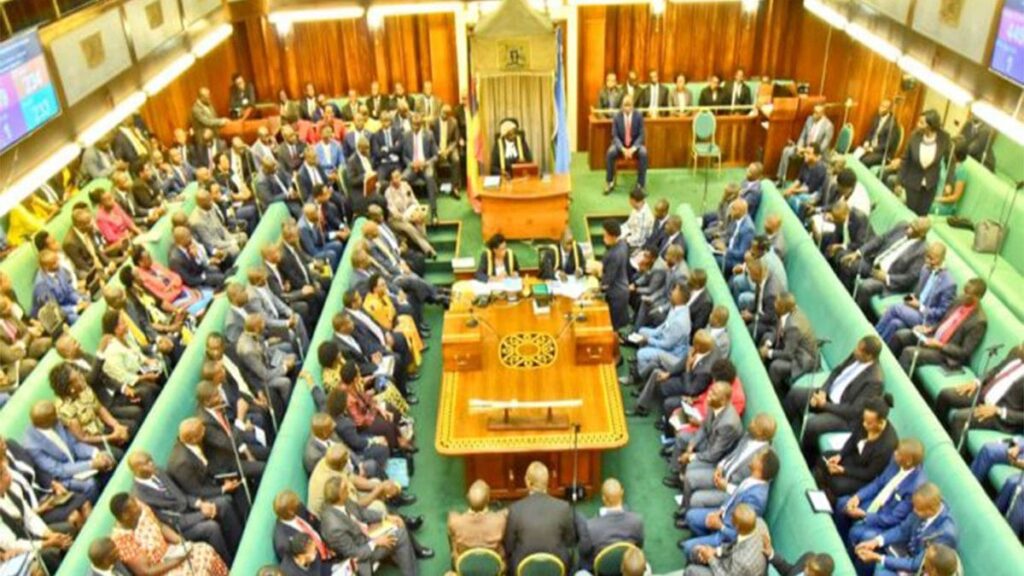
Wherefore, CONSTITUTIONALISM and RULE of LAW are the guarantors of Uganda’s continued independence for posterity.
Happy 64th Independence mother Uganda & Long live President Yoweri Kaguta Museveni the true father of mordern Uganda in all manifestations.
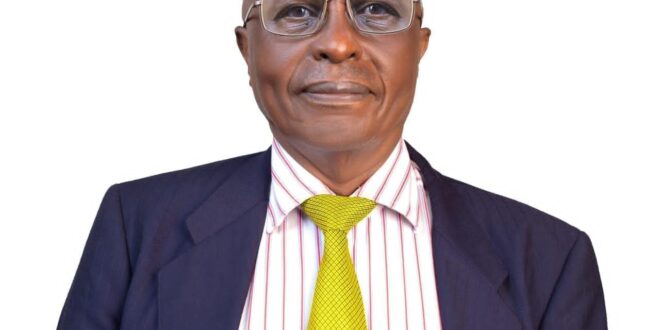
THE WRITER IS; LONDON BASED BARRISTER PETER MAGOMU MASHATE AN ADMINISTRATIVE, CONSTITUTIONAL AND HUMAN RIGHTS BARRISTER-AT-LAW OF THE HONOURABLE SOCIETY OF LINCOLN’S INN OF COURT LONDON, UK


