
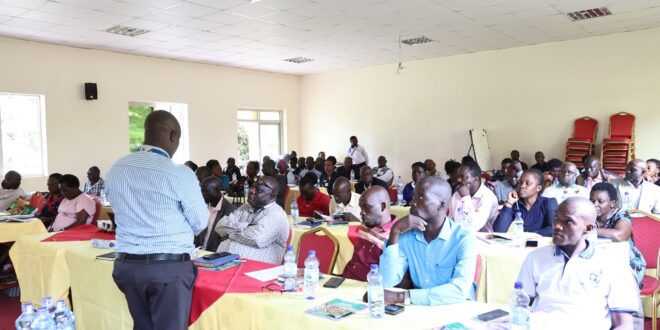
The Uganda Revenue Authority (URA) has sensitized educators in Masindi District on their tax obligations as part of efforts to improve tax compliance among schools and other education institutions. The engagement focused on helping educators understand their responsibilities and the importance of meeting tax requirements.
During the workshop, the URA tax education team explained key tax obligations, including proper record keeping, accurate tax declarations and the treatment of income earned from secondary sources. The session aimed to equip educators with the knowledge needed to manage their tax affairs correctly.One of the key issues discussed was the importance of maintaining proper financial records. Educators and school administrators were reminded that accurate records help them account for income, support tax declarations and make it easier to establish the correct amount of tax payable.The team also addressed the application of the 40 per cent tax rate on secondary income, highlighting the need for educators to understand how the relevant tax rules apply to earnings outside their primary employment.
Proper understanding of these obligations can help taxpayers avoid errors when declaring their income.The engagement comes at a time when more schools and education institutions are being encouraged to improve compliance with tax requirements, particularly when preparing and submitting Pay As You Earn (PAYE) returns. PAYE is the system through which employers deduct income tax from employees’ salaries and remit it to URA.Accurate PAYE declarations are important because they help ensure that employees’ taxable earnings are properly reported and that the correct tax is deducted and submitted. Schools and other employers are therefore expected to maintain reliable payroll records and fulfil their tax obligations in accordance with the law.
Through its tax education activities, URA seeks to increase awareness of tax requirements and help taxpayers understand how to comply with them. Engaging educators is particularly relevant because schools employ staff, manage payrolls and handle financial transactions that may carry tax responsibilities.The Masindi workshop forms part of efforts to promote tax awareness and encourage better compliance among education institutions. By improving knowledge of record keeping, secondary income taxation and PAYE declarations, the engagement seeks to help educators and school administrators manage their tax responsibilities more accurately.