
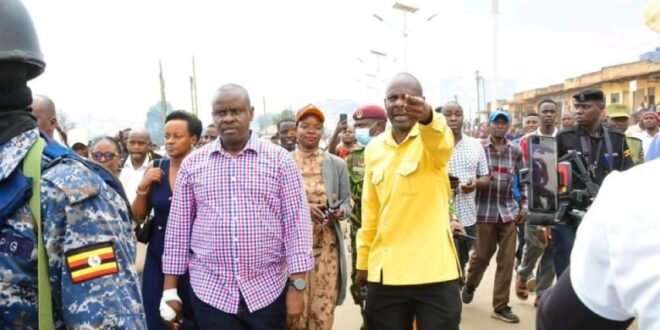
President Yoweri Museveni has defended the anti-corruption inspections being carried out by ministers Balaam Barugahara and Nameere, saying their decision to take government scrutiny directly to communities is helping uncover cases that may otherwise remain hidden.In a statement issued on August 26, Museveni dismissed fears that the ministers could be acting on incomplete information, a practice locally referred to as “Kutomera.” He argued that the scale and frequency of corruption complaints across the country make direct intervention necessary.
Museveni said citizens have repeatedly reported alleged corruption involving the Parish Development Model, the sale of government jobs at local government level and the presence of ghost learners, teachers and health workers on government payrolls.The President said the evidence being collected during the field inspections should not be allowed to gather dust, urging the Director of Public Prosecutions to appoint an officer specifically tasked with reviewing the material and determining cases that should proceed to prosecution.He blamed the persistence of corruption partly on officials who allegedly shield perpetrators instead of protecting public resources. Museveni also criticised influential citizens who witness wrongdoing but choose not to report it to the relevant authorities.According to Museveni, the public barazas organised by Barugahara and Nameere have created an opportunity for residents to raise complaints directly with government representatives.
He said this approach has helped overcome what he described as a barrier created by officials and other influential individuals who protect suspected corrupt actors.The President pointed to lawmaker Byamukama as an example of someone who helped bring an alleged State House extortion racket to light. Museveni said the information enabled authorities to set a trap that resulted in the arrest of suspects.Museveni said the strong public response to the ministers’ inspections demonstrated growing support for tougher action against corruption. He urged government officials not to cover up wrongdoing and called on citizens to report abuses, insisting that corruption in Uganda can be stopped if authorities and the public work together.


