
Northern Uganda and the Karamoja sub-region are set for a major transformation after the government secured €110.5 million (approximately Shs480 billion) to fund the construction of the crucial Kitgum–Kidepo Road. The ambitious infrastructure project is expected to revolutionize transportation, boost tourism, expand trade opportunities, and attract fresh investments into some of Uganda’s most promising but underserved regions.
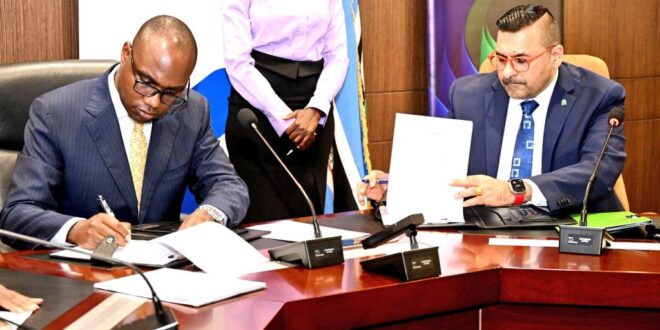
The financing agreement was signed on Tuesday by State Minister for Finance (General Duties) Henry Musasizi and Standard Chartered Bank Uganda Chief Executive Officer Sanjay Rughani, marking a significant step in Uganda’s ongoing drive to strengthen infrastructure and accelerate economic growth. Government officials described the agreement as a strategic investment capable of delivering long-term benefits across multiple sectors of the economy.
Stretching for 115.8 kilometres, the Kitgum–Kidepo Road is expected to dramatically improve connectivity between Northern Uganda and Karamoja, reducing travel times and easing the movement of goods and services. Businesses operating in the region are anticipated to benefit from lower transport costs, while farmers will gain easier access to larger markets, increasing their earning potential and reducing post-harvest losses.The road project is also expected to strengthen cross-border commerce and deepen Uganda’s integration into regional trade networks.
By improving access to key transport corridors, the development could help position Uganda more competitively within the African Continental Free Trade Area, opening new opportunities for exporters, traders, and investors seeking access to wider African markets.Tourism stakeholders have welcomed the project as a potential game changer for Kidepo Valley National Park, one of Africa’s most breathtaking wildlife destinations. Improved road access is expected to attract more domestic and international visitors, stimulate hospitality investments, and create employment opportunities for communities surrounding the park and neighboring districts.Beyond tourism, the road is expected to support major industrial investments planned for the region.
Among them is the proposed USD 300 million Yaobai Cement and Clinker Factory in Moroto, a project expected to generate thousands of jobs and significantly increase Uganda’s cement production capacity. Improved transport infrastructure is likely to play a key role in supporting such large-scale investments.Speaking after the signing ceremony, Musasizi emphasized that the project represents a broader vision for Uganda’s future.
He noted that improved infrastructure remains one of the most effective tools for stimulating economic activity, connecting communities to opportunities, and creating an environment where businesses can thrive and expand.With construction plans now gaining momentum, many leaders believe the Kitgum–Kidepo Road will become one of the most impactful infrastructure projects in the region’s history. Once completed, it is expected to serve as a vital economic corridor that drives trade, tourism, agriculture, and industrial growth, bringing Northern Uganda and Karamoja closer to the center of the country’s development agenda.


