
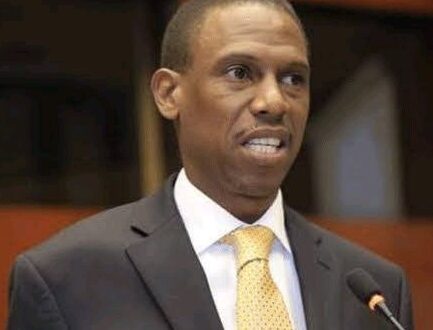
Uganda’s Attorney General, Kiryowa Kiwanuka, has presented a substantially revised version of the Protection of Sovereignty Bill, 2026, following widespread concern from lawmakers and stakeholders. Appearing before a joint parliamentary committee on April 30, he explained that government had gone back to the drawing board to address fears that the earlier draft was overly sweeping and could disrupt legitimate sectors of the economy and civil society.
A key shift in the new draft is the removal of broad provisions that risked labeling ordinary Ugandans—including those in the diaspora—as foreign actors. Instead, the Bill now targets individuals described as “agents of foreigners,” meaning those who act under the direction or control of external entities and receive backing from them. This adjustment is intended to narrow the scope of the law and focus it more clearly on external influence rather than everyday cross-border interactions.
Another major revision introduces a requirement to prove intent before someone can be held liable. Authorities must now demonstrate that an individual deliberately promoted foreign interests, replacing earlier language that critics feared could lead to enforcement based on suspicion. This change is being framed as a legal safeguard meant to limit misuse and protect innocent actors.
Even so, the proposed law continues to give wide-ranging powers to the minister in charge of internal affairs. The minister would remain responsible for supervising enforcement, issuing directives, and shaping compliance rules. Additionally, the office would have the authority to expand exemptions through regulations, a provision that has unsettled some legislators who worry about the absence of strong independent oversight.
To calm economic fears, the revised Bill explicitly protects financial institutions operating under existing regulatory frameworks. Banks and similar entities will still be able to receive foreign funds for lawful activities such as lending and investment. According to Kiwanuka, this clarification ensures that the country’s financial system remains stable and open to international capital flows.
The amendments also carve out protections for essential sectors and everyday transactions. Hospitals, academic institutions, and religious organisations can continue receiving foreign funding tied to their work, while individuals are free to accept money for family support, business, or personal use. The government has further clarified that foreign direct investment, trade finance, diaspora remittances, humanitarian aid, and development assistance will not be affected.
Despite these revisions, the Bill’s treatment of political activity remains controversial. Asuman Basalirwa questioned why influencing legislation, public policy, or government decisions should be viewed as wrongdoing, warning that such provisions could weaken democratic engagement and political competition if interpreted broadly.
At the same time, Jonathan Odur raised procedural concerns, asking whether key institutions had been reconsulted after the extensive changes.
He argued that the scale of amendments warrants fresh public hearings, cautioning that moving forward without broader input could erode confidence in the legislative process and leave unresolved questions about the Bill’s impact on governance and civil liberties.


